What kind of image of animals are young children shown and how
do they come into contact with animals?
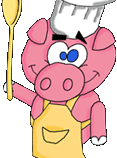
Cartoons: animals are presented as people
Fairy-tales: animals play an active part, often
representing negative human character traits
Books to read to children: animals talking like
people
Toys: often wild animals for playmates; coloring
pictures analogous to cartoons
Pets: often dogs and/or cats
Children's farm: idyllic picture of the farms of
old
Zoo: "wild" animals as sluggish creatures,
seemingly resigned to their tight existence.
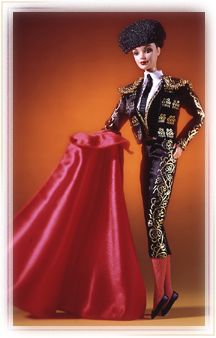
Circus:
amusement for young and old, animals performing tricks
imitating people (in costumes), with man in a superior
role.
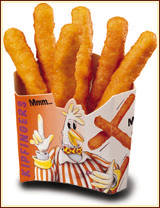
Shopping centers: butchers (the pig or chicken is
advertising its own meat), animals in shop windows
of pet stores.
Nowhere are
animals represented in a way even closely resembling
reality. The message is: animals are going to be fine,
they are often smarter than people (or the opposite),
and they don't mind being eaten. In short, animals are
the perfect consumer item: they deserve their fate,
they don't complain and what's more, they taste good.
The way animals are treated in a speciecist way, colors
the image children get of animals in a condescending
way (circus; people are above animals).
Of their own accord, many children are inclined to take
animals seriously, when they realize it comes from animals
they no longer want to eat meat. By twisting the truth
about animals, adults are undermining the moral thought
processes of children and are making them feel that
compassion is inappropriate. The child is slowly prepared
for the schizophrenic way in which adults treat animals.
It is important for children to learn empathy:
to be sensible to another's feelings. For animals this
means gentleness and respect. The animals portrayed in
the roles mentioned above do not seem to feel pain. This
teaches children the wrong sort of love, confusing
love with dependency.

 It is important for children to learn empathy:
to be sensible to another's feelings. For animals this
means gentleness and
It is important for children to learn empathy:
to be sensible to another's feelings. For animals this
means gentleness and